
Market Entry & Expansion in Slovenia
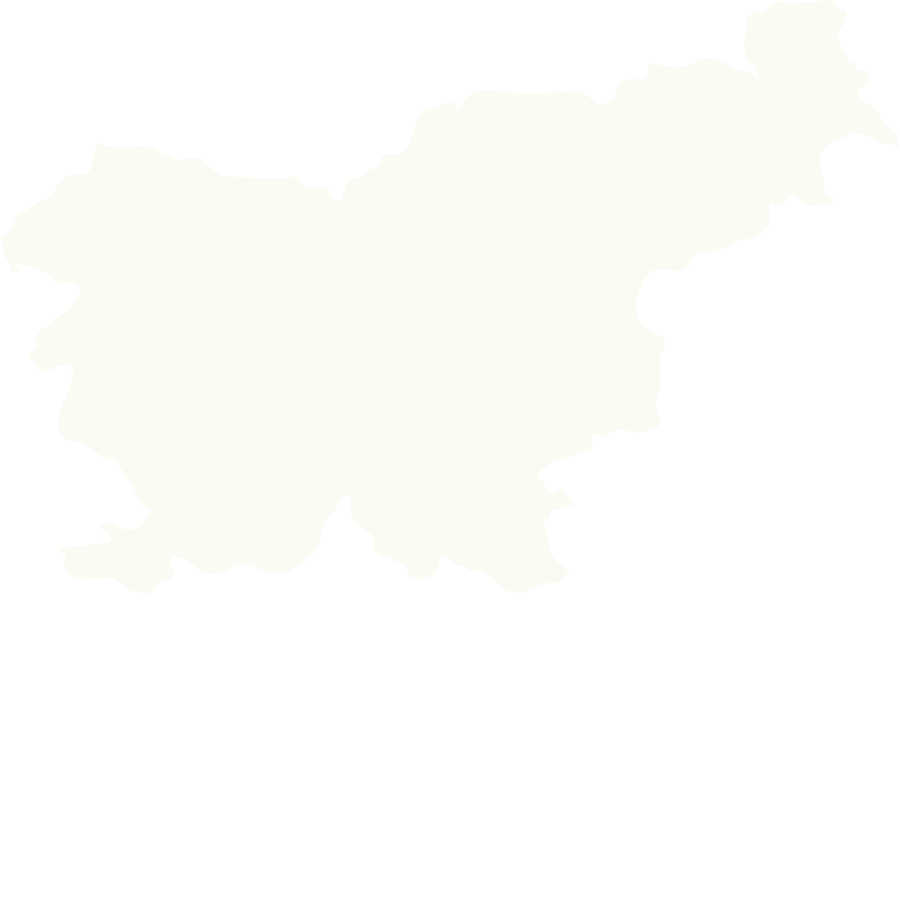
Slovenia
Strategic Overview & Macroeconomic Context
Slovenia is a high-income Eurozone and Schengen Area market, boasting the highest GDP per capita in the Central and Southeast European region. Highly integrated into DACH (Germany, Austria, Switzerland) industrial value chains, Slovenia excels in high-tech niche manufacturing, advanced pharmaceuticals, automated logistics, and green technology.
Capital City: Ljubljana
Population: ~2.1 Million
Currency: Euro (EUR)
GDP: $79,648 Billion
GDP Growth: 1.1%
Key Global Access Agreements: EU Member State, Eurozone Member, Schengen Area Member, NATO Member, OECD Member.
Latest Economic & Strategic News
Port of Koper Second Railway Track (Koper-Divača): Major national infrastructure rail project expanding cargo throughput from the Port of Koper directly to Central European industrial hubs.
High-Tech Biotech Expansion: Multi-hundred-million-euro capital investments by global pharma leaders (e.g., Sandoz/Lek and Krka) expanding biosimilar production and clinical testing facilities in Lendava and Ljubljana.
Smart Factory Automation & Robotics Leadership: High density of industrial robots per 10,000 workers in manufacturing globally, with domestic firms expanding enterprise AI and automated production systems.
Nuclear Power Expansion (JEK2 Project): Planning and site evaluations for a second reactor unit at the Krško Nuclear Power Plant to secure carbon-free baseline energy for Slovenia and Croatia.
Core Industry Drivers
High-Tech Precision Manufacturing & Tooling: Advanced robotics, electric motors, specialized tools, and industrial measurement instruments.
Pharmaceuticals, Biosimilars & Life Sciences: High-export pharmaceuticals (Krka, Lek), active ingredient synthesis, and biosimilar development.
Automotive Tier-1 Systems & Components: Specialized vehicle components, aluminum die-casting, automotive lighting systems, and electric drive units.
Advanced Maritime Logistics & Intermodal Transport: Port of Koper acts as the premier Adriatic shipping entrance for Austrian, German, Czech, and Hungarian industrial cargo.
Clean Tech, Circular Economy & Wood Engineering: High-value engineered wood products, prefabricated energy-efficient timber housing, and green technologies.
Latest Fiscal & Tax Framework
Standard Corporate Income Tax (CIT): 22% (adjusted from 19%).
R&D Investment Allowance: Companies can deduct 100% of expenditure on internal R&D from their taxable base, capped at the amount of taxable profit.
Investment Allowance for Machinery & Equipment: 40% deduction of investment amounts in equipment and digital/green transformation technologies.
Standard Value Added Tax (VAT): 22% (reduced rate of 9.5% for specific goods/services).
Withholding Tax (WHT): 15% on dividends, interest, and royalties (subject to EU directives and bilateral tax treaties).
Historical & Economic Context
Slovenia was the most industrial and prosperous republic within former Yugoslavia. Gained independence in 1991, joined the EU and NATO in 2004, adopted the Euro in 2007, and joined the OECD in 2010. Slovenia’s high level of human development, skilled workforce, and political stability make it a low-risk environment for institutional investors.
Key Investment Incentives & Free Zones
Promotion of Foreign Direct Investment Act:
Direct state financial incentives for investments creating high-value jobs or establishing R&D centers.
Cash grants covering up to 10%-30% of total eligible capital costs for high-tech manufacturing investments.
Economic Development Zones: Land tax reductions, subsidized site development fees, and fast-track spatial planning for investments located in designated business zones across Maribor, Celje, and Koper.