
Market Entry & Expansion in Montenegro
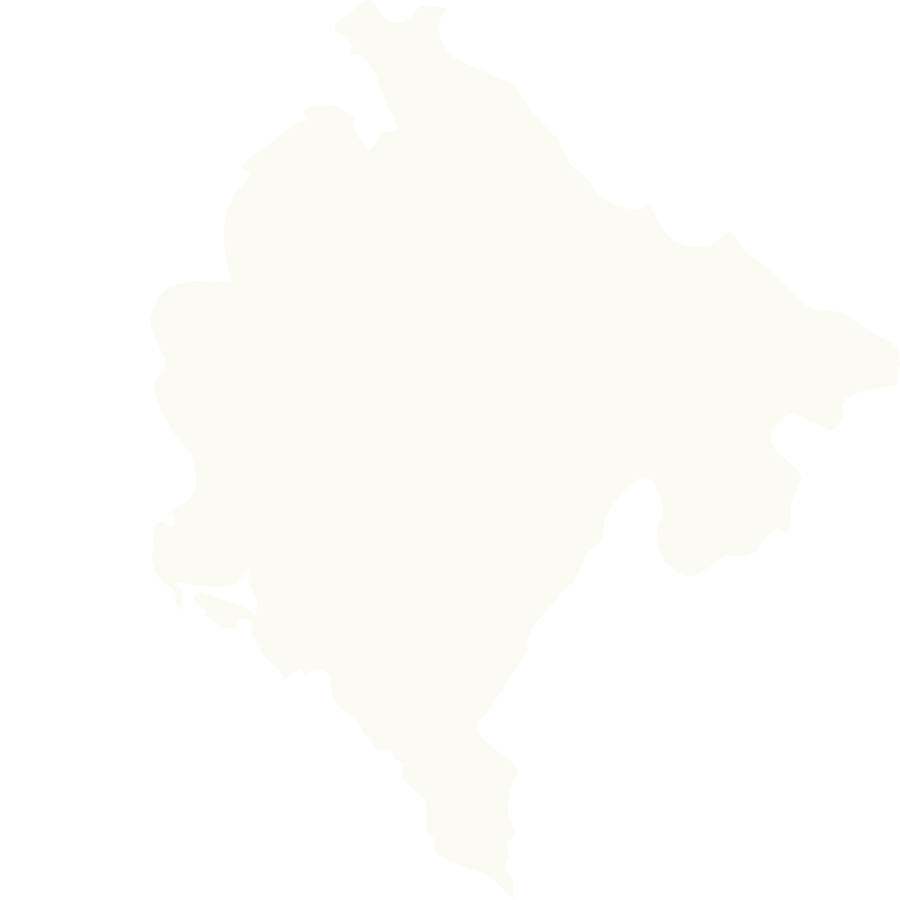
Montenegro
Strategic Overview & Macroeconomic Context
Montenegro is a Euro-denominated economy offering a competitive tax regime and high levels of economic freedom in Southeast Europe. Featuring a coastline along the Adriatic Sea, Montenegro has attracted multi-billion-euro foreign direct investments in luxury infrastructure, maritime real estate, and clean energy projects.
Capital City: Podgorica
Population: ~623 Thousand
Currency: Euro (EUR) – Unilaterally adopted.
GDP: $9,233 Billion
GDP Growth: 2.7%
Key Global Access Agreements: NATO Member (since 2017), CEFTA, SAA with the EU, EU Accession Frontrunner (targeting full integration by 2028).
Latest Economic & Strategic News
EU Accession Acceleration: Montenegro leads all candidate nations in closing EU acquis chapters, aiming for full EU membership integration within the 2028 horizon.
HVDC Italy-Montenegro Submarine Cable Expansion: Operational utility of the 1,000 MW high-voltage direct current (HVDC) undersea interconnector to Italy, enabling Montenegro to export clean solar and wind energy directly into the Western European power market.
Bar-Boljare Highway Section Integration: Continued extension of the national highway network connecting the Adriatic Port of Bar to the Serbian border, reducing transit times for regional freight.
Nautical Infrastructure Expansion: Multi-million-euro phase expansions at Porto Montenegro, Luštica Bay, and Portonovi, establishing the country as a superyacht and commercial coastal hub.
Core Industry Drivers
Luxury Hospitality & Maritime Real Estate: Master-planned coastal resorts, superyacht marinas, and high-end residential real estate developments.
Clean Power & Renewable Energy: Significant hydro generation capacity complemented by utility-scale solar and onshore wind farms.
Logistics & Port Operations: The deep-water Port of Bar provides maritime cargo handling and direct rail links into Serbia and CEE.
Metals & Materials Processing: Historical industrial capacity in aluminium and steel processing modernizing towards sustainable production standards.
ICT & Digital Business Services: Podgorica emerging as an attractive micro-hub for tech startups, remote digital engineering firms, and regional BPO services.
Latest Fiscal & Tax Framework
Progressive Corporate Income Tax (CIT):
Profits up to €100,000: 9%
Profits between €100,001 and €1,500,000: €9,000 + 12% on amount over €100,000.
Profits over €1,500,000:
€177,000 + 15% on amount over €1,500,000.
Personal Income Tax (PIT): Progressive rate (0% on monthly wages up to €700; 9% on €701–€1,000; 15% over €1,000).
Standard Value Added Tax (VAT): 21% (reduced rate of 15% for accommodation services/catering/books and 7% for staple foods, medicines, and drinking water).
Withholding Tax (WHT): 15% on dividends, interest, and royalties.
Historical & Economic Context
Montenegro restored its independence in 2006 following a national referendum. It adopted the Deutsche Mark in 1999 and transitioned to the Euro in 2002. The nation prioritized foreign direct investment by simplifying corporate registration, enacting open capital movement laws, and maintaining low business taxation.
Key Investment Incentives & Free Zones
Free Zone of Port of Bar: Offers complete exemption from customs duties, customs taxes, and VAT for all goods stored, processed, or manufactured within the zone.
Underdeveloped Municipality Incentives: 8-year CIT exemption for newly established manufacturing or processing operations located in northern (underdeveloped) municipalities, capped at €200,000 total state aid limit.