
Market Entry & Expansion in Bulgaria
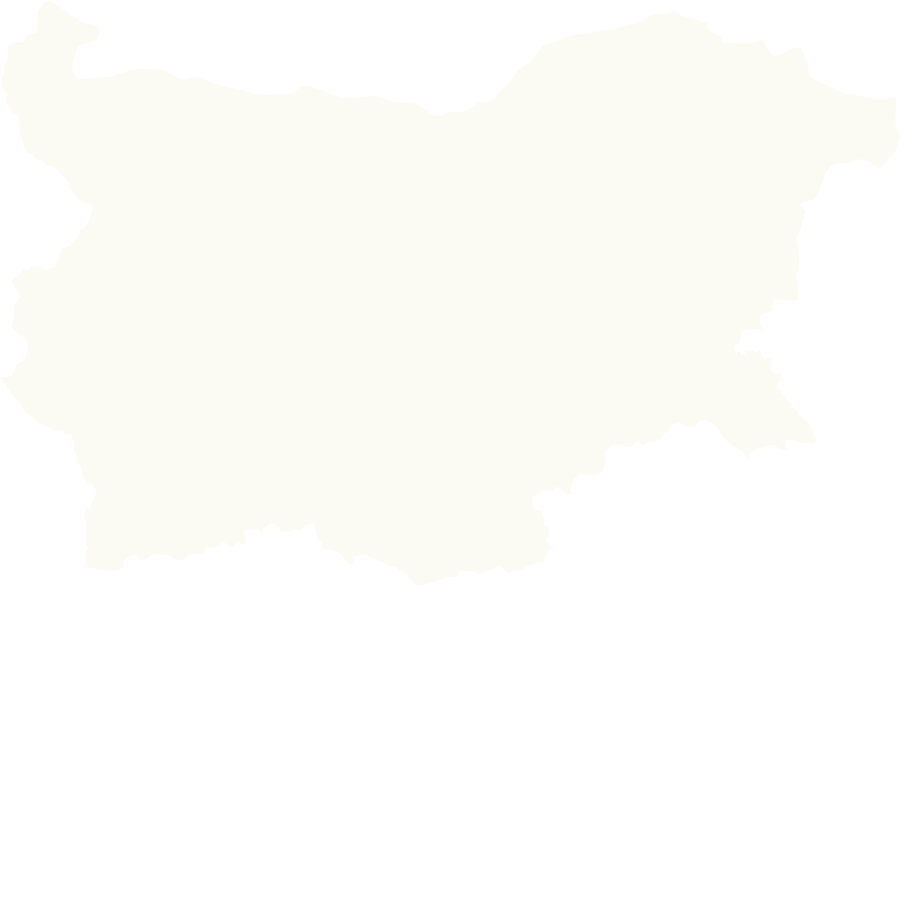
Bulgaria
Strategic Overview & Macroeconomic Context
As an EU Member State featuring a flat 10% corporate income tax rate, Bulgaria stands out as a stable, cost-effective platform for industrial manufacturing, software development, and shared service centers. Its location along the Black Sea offers direct transport lines to CEE, Turkey, and the Middle East.
Capital City: Sofia
Population: ~6.4 Million
Currency: Euro (€) | Joined the Eurozone on January 1, 2026 (conversion fixed at 1 EUR = 1.95583 BGN).
GDP: $130,777 Billion
GDP Growth: 3.1%
Key Global Access Agreements: EU Member State, Full Schengen Area Member (air, sea, and land borders since 2025), Eurozone Member (2026), NATO Member, WTO Member.
Latest Economic & Strategic News
INSAIT Tech Ecosystem Growth: The Institute for Computer Science, Artificial Intelligence and Technology (INSAIT) in Sofia continues attracting world-class AI researchers and multi-million-dollar technology venture funding.
Schengen & Eurozone Integration Impact: Full accession to the Schengen Area (including land borders) and entry into the Eurozone eliminate currency conversion costs and border friction, further streamlining nearshore supply chain corridors into Central Europe.
Black Sea Energy Hub Development: Modernization of LNG terminals and offshore gas exploration infrastructure strengthening Bulgaria’s position in European energy security.
Automotive Cluster Expansion: Over 350 automotive supplier companies now operating in Bulgaria, employing 75,000+ engineers and technicians, with new investments in EV electronics and sensor technologies.
Core Industry Drivers
Automotive Electronics & Mechatronics: Production of automotive software, autonomous driving sensors, control units, and electric vehicle harnesses.
ICT, Software R&D & Tech Hubs: Sofia is a top-tier CEE technology hub hosting R&D centers for global tech enterprises.
Non-Ferrous Metallurgy & Mining: Major European producer of copper, zinc, and refined metals critical for the European green energy transition.
Pharmaceuticals & Chemical Manufacturing: Advanced active pharmaceutical ingredient (API) synthesis, generic drug manufacturing, and packaging.
Logistics & Maritime Infrastructure: Ports of Varna and Burgas serving as deep-water commercial gateways on the Black Sea.
Latest Fiscal & Tax Framework
Standard Corporate Income Tax (CIT): 10% (Flat rate).
Personal Income Tax (PIT): 10% (Flat rate).
Standard Value Added Tax (VAT): 20% (with reduced rates of 9% for hospitality).
Withholding Tax (WHT): 5% on dividends; 10% on interest and royalties (0% for EU parent-subsidiary structures).
R&D and Investment Tax Relief: 0% CIT for manufacturing investments made in high-unemployment municipalities (regional development tax credit).
Historical & Economic Context
Bulgaria completed its transformation from a planned economy during the 1990s, introducing a Currency Board in 1997 that pegged the Lev to the Deutsche Mark (and subsequently the Euro) before full Euro adoption in 2026. Joined the European Union in 2007. Decades of fiscal discipline have resulted in one of the lowest public debt-to-GDP ratios in the EU (<25%), providing macroeconomic stability for international investors.
Key Investment Incentives & Free Zones
Class A & Class B Investment Certificates:
Provided under the Investment Promotion Act, offering.
Specialized transfer of state-owned land without public tender.
Government reimbursement of social security contributions for newly created jobs.
Direct state financial grants for infrastructure connections.
Expedited legal and administrative processing.